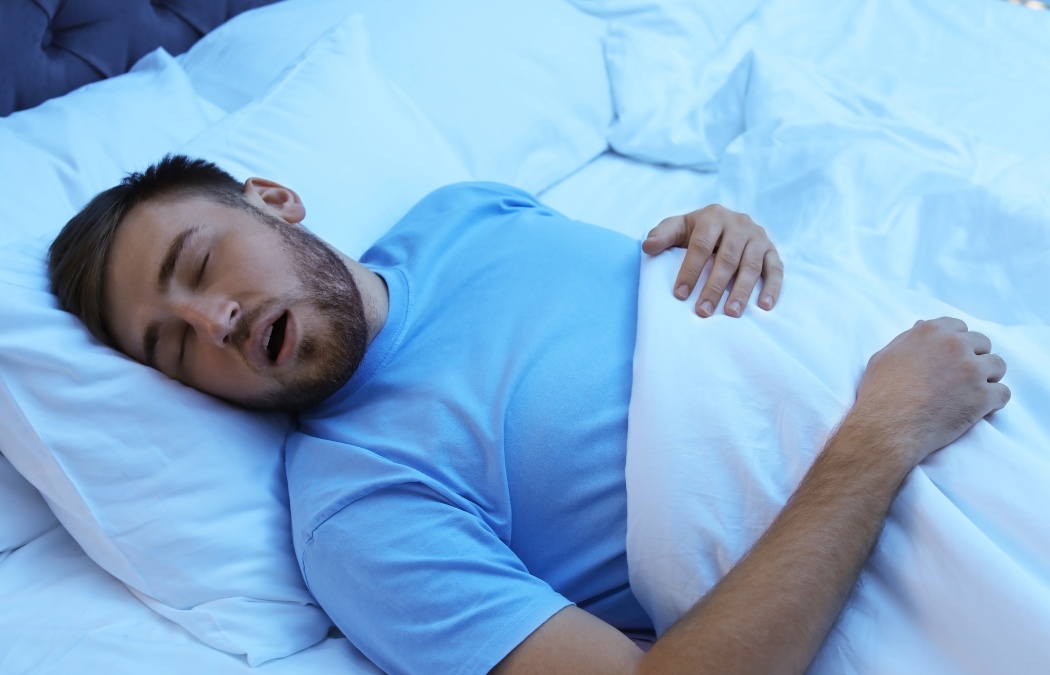
Your partner nudges you awake for the third time tonight, complaining about your snoring. You brush it off as annoying but harmless—something you’ve done for years. But what if that nightly noise is actually a warning sign of a condition affecting far more than your sleep quality? For millions of Americans, chronic snoring signals obstructive sleep apnea, a disorder that quietly damages health in ways most people never connect to their nighttime breathing.
Here’s something that might surprise you: your dentist may be one of the best healthcare providers to help address this problem. At West Hill Family Dental in Rocky Hill, CT, Dr. Robert Hemphill works with patients to identify sleep apnea signs and provide comfortable, effective treatment options that don’t involve bulky machines or invasive procedures.
More Than Just Loud Breathing
Obstructive sleep apnea occurs when the soft tissues in your throat relax during sleep, partially or completely blocking your airway. Your brain senses the drop in oxygen and briefly wakes you—sometimes hundreds of times per night—to restore normal breathing. Most people don’t fully wake up during these episodes, so they have no idea they’re happening.
The consequences, however, make themselves known during waking hours. Persistent fatigue despite seemingly adequate sleep, morning headaches, difficulty concentrating, irritability, and that overwhelming urge to nap during the day all point to sleep that isn’t actually restoring your body the way it should.
What makes sleep apnea particularly concerning is its connection to serious health conditions. Research consistently links untreated sleep apnea to increased risk of high blood pressure, heart disease, stroke, type 2 diabetes, and depression. The repeated stress of oxygen deprivation takes a cumulative toll on your cardiovascular system, while the chronic sleep disruption affects everything from memory to immune function.
Why Your Dentist Sees What Others Miss
You might wonder what snoring and breathing have to do with dentistry. The answer lies in anatomy. Your dentist examines your mouth, throat, tongue, and jaw position regularly—the very structures involved in airway obstruction. Certain physical characteristics that dentists observe routinely can indicate increased sleep apnea risk.
Dr. Hemphill, who brings over 20 years of clinical experience and completed a General Practice Residency at Yale New Haven Hospital, is uniquely positioned to recognize these warning signs. His Master’s degree in Health Administration gives him a broader perspective on how dental care intersects with overall medical health—exactly the kind of integrated thinking that benefits sleep apnea patients.
During routine examinations, your dental team might notice signs such as:
- Worn Tooth Surfaces: Grinding and clenching often accompany sleep apnea as your jaw muscles work overtime to keep airways open
- Scalloped Tongue Edges: Indentations along your tongue’s sides suggest it’s pressing against your teeth, often during sleep
- Large Tonsils or Tongue: Oversized soft tissues contribute to airway narrowing
- Small Jaw or Recessed Chin: Certain jaw structures leave less room for the airway
- Redness in the Throat: Chronic mouth breathing and snoring irritate throat tissues
Many patients first learn about potential sleep apnea during a dental visit, long before they’d think to mention their snoring to a physician.
The CPAP Alternative That Actually Gets Used
If you’ve heard about sleep apnea treatment, you probably picture a CPAP machine—the mask and motor that delivers continuous pressurized air throughout the night. CPAP therapy works extremely well when used consistently. The problem? Studies show that roughly half of patients prescribed CPAP either stop using it entirely or use it so inconsistently that they don’t receive adequate benefit.
The reasons vary: the mask feels claustrophobic, the noise disturbs sleep (sometimes trading one sleep problem for another), traveling with equipment is cumbersome, or the whole setup just feels too medicalized for something as simple as going to bed.
This is where dental sleep medicine offers a compelling alternative. Custom oral appliances—sometimes called mandibular advancement devices—work by gently repositioning your lower jaw forward during sleep. This subtle shift keeps your airway open without masks, machines, or electricity.
These devices look similar to sports mouthguards or orthodontic retainers but are precision-crafted to fit your mouth exactly. Most patients find them comfortable enough that they actually use them every night, which is ultimately what matters most for treating sleep apnea effectively.
What to Expect from Dental Sleep Apnea Treatment
The path to better sleep through dental treatment follows a collaborative approach. Sleep apnea diagnosis requires medical evaluation—typically a sleep study ordered by your physician or a sleep medicine specialist. Once you have a confirmed diagnosis of mild to moderate obstructive sleep apnea, or if you’ve tried CPAP and can’t tolerate it, dental treatment becomes an excellent option.
At West Hill Family Dental, the process begins with a comprehensive evaluation of your mouth, jaw, and bite. Dr. Hemphill takes detailed impressions and measurements to create an appliance fitted precisely to your anatomy. The goal is a device comfortable enough to wear every night while effective enough to keep your airway open.
Follow-up appointments allow for adjustments as needed. Some patients require slight modifications to jaw positioning or fit to optimize both comfort and effectiveness. Ongoing monitoring ensures your treatment continues working well over time.
The practice’s philosophy of patient education—reflected in their motto “Brighter Smiles & Smarter Patients”—means you’ll understand exactly how your appliance works and what role it plays in your overall health picture.
Signs You Should Talk to Your Dentist About Sleep
Not everyone who snores has sleep apnea, and not everyone with sleep apnea snores loudly. However, certain combinations of symptoms warrant further investigation:
- Loud, Chronic Snoring: Especially snoring interrupted by gasping or choking sounds
- Witnessed Breathing Pauses: If a bed partner notices you stop breathing during sleep
- Excessive Daytime Sleepiness: Fatigue that persists regardless of time spent in bed
- Morning Headaches: Recurring headaches upon waking
- Dry Mouth Upon Waking: Consistent morning dryness suggesting mouth breathing
- Difficulty Concentrating: Brain fog, memory issues, or irritability
- Nighttime Teeth Grinding: Bruxism often accompanies sleep-disordered breathing
- Frequent Nighttime Urination: Multiple bathroom trips disrupting sleep
If several of these apply to you, mentioning them at your next dental appointment could be the first step toward better sleep and better health.
The Bigger Picture: Sleep, Health, and Quality of Life
Treating sleep apnea isn’t just about quieter nights—though your bed partner will certainly appreciate that. Effective treatment reduces cardiovascular strain, improves blood sugar control, enhances cognitive function, and restores the restorative sleep your body needs to repair and regenerate.
Patients who successfully manage their sleep apnea often describe feeling like entirely different people. Energy levels improve, mood stabilizes, productivity increases, and that persistent fog lifts. Some find they need less caffeine to function, exercise more easily, and enjoy activities they’d been too tired to pursue.
West Hill Family Dental has served the Rocky Hill community for over two decades, earning recognition as a Top Patient Rated Dentist every year from 2019 through 2026. That consistent track record reflects the practice’s commitment to comprehensive care that goes beyond teeth and gums to consider how oral health connects to your overall wellbeing.
Take the First Step Toward Restful Sleep
If you suspect sleep apnea might be affecting your health and quality of life, your next dental visit is an ideal time to start the conversation. Dr. Hemphill and the team at West Hill Family Dental can evaluate your risk factors, discuss what you’re experiencing, and guide you toward appropriate next steps—whether that’s a referral for a sleep study or fitting you for a custom oral appliance.
Don’t let another year of disrupted sleep take its toll on your health. Contact West Hill Family Dental at (860) 563-3303 or visit us at 132 New Britain Avenue in Rocky Hill, CT. We proudly serve patients from Rocky Hill, Berlin, Cromwell, New Britain, Newington, Wethersfield, and surrounding Connecticut communities. Better sleep—and better health—might be closer than you think.