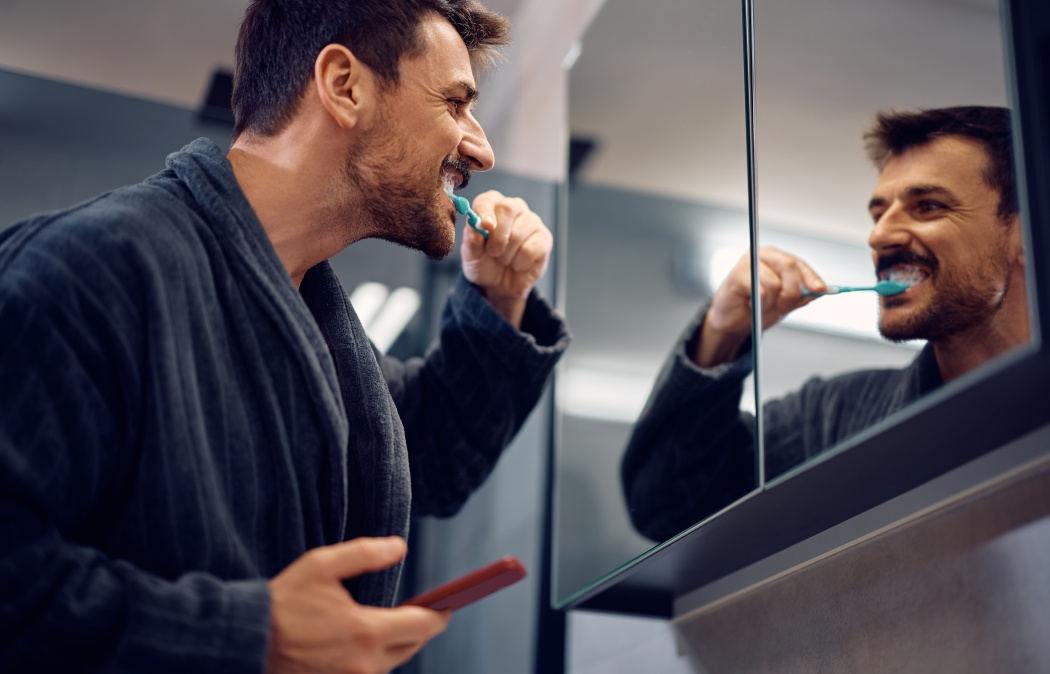
You brush twice a day. You floss (most of the time). You use that minty mouthwash that makes your breath feel fresh. So why did your dentist find a new cavity at your last checkup?
The truth is, most people are making small but significant mistakes in their home dental care routine—mistakes that can lead to cavities, gum disease, and expensive dental work down the road. At West Hill Family Dental, Dr. Robert Hemphill believes that education is the foundation of great dental health. That’s why we say “brighter smiles and smarter patients.” The more you understand about proper oral care techniques, the less time you’ll spend in the dental chair.
Let’s look at the most common brushing and flossing mistakes and how to fix them.
Mistake #1: Brushing Too Hard
It seems logical: more pressure equals cleaner teeth. But aggressive brushing actually does more harm than good. Brushing too hard can wear away your tooth enamel over time, creating sensitivity and making teeth more vulnerable to decay. It can also damage your gum tissue, causing recession that exposes the roots of your teeth.
Your gums may be sending you signals that you’re brushing too aggressively. If your toothbrush bristles are splayed and flattened within a few weeks, you’re applying too much force. If your gums bleed regularly or look red and irritated, pressure might be the culprit.
The fix: Use a soft-bristled toothbrush and let the bristles do the work. Think of brushing as a gentle massage for your teeth and gums, not a scrubbing session. Hold your toothbrush with just your fingertips rather than your whole fist—this naturally limits the pressure you can apply.
Mistake #2: Not Brushing Long Enough
The American Dental Association recommends brushing for two full minutes, twice daily. That might not sound like much, but studies show the average person brushes for only 45 seconds. That’s less than half the recommended time.
Forty-five seconds simply isn’t enough to thoroughly clean all surfaces of your teeth. You have 32 teeth (or close to it), and each has multiple surfaces that need attention—front, back, and chewing surfaces. Rushing through your routine means plaque and bacteria are left behind, quietly doing damage until your next brushing.
The fix: Set a timer on your phone or use an electric toothbrush with a built-in two-minute timer. Divide your mouth into four quadrants and spend 30 seconds on each. Some people find it helpful to brush while listening to a short song—when the music stops, you’re done.
Mistake #3: Using the Wrong Brushing Motion
Back-and-forth sawing motions might feel efficient, but they’re not the most effective way to clean your teeth. This horizontal scrubbing can miss the areas where your teeth meet your gums—exactly where plaque loves to accumulate.
The fix: Angle your toothbrush at 45 degrees toward your gum line. Use short, gentle circular or back-and-forth strokes, making sure the bristles reach slightly under the gum line where bacteria hide. For the chewing surfaces, a back-and-forth motion works fine. For the inside surfaces of your front teeth, tilt the brush vertically and use gentle up-and-down strokes.
Mistake #4: Neglecting Your Tongue
Your tongue is a breeding ground for bacteria. Its rough, textured surface provides countless hiding spots where odor-causing and decay-promoting bacteria can thrive. Ignoring your tongue during your oral care routine is like mopping the floor but leaving the counters dirty—you’re only doing part of the job.
Beyond contributing to bad breath, tongue bacteria can transfer to your freshly brushed teeth, reintroducing the very organisms you just worked to remove.
The fix: After brushing your teeth, gently brush your tongue from back to front, or use a tongue scraper. You don’t need to scrub aggressively—a few gentle passes will remove the bacterial film that accumulates throughout the day.
Mistake #5: Flossing Incorrectly (or Not at All)
Flossing remains one of the most skipped steps in home dental care. Only about 30% of Americans floss daily, and many who do floss aren’t doing it effectively. Simply snapping floss between your teeth and pulling it back out doesn’t accomplish much—the real work happens along the sides of each tooth and just below the gum line.
When done correctly, flossing removes plaque and food particles from areas your toothbrush simply cannot reach. These tight spaces between teeth are prime real estate for cavities, and neglecting them can lead to decay that’s difficult and expensive to treat.
The fix: Use about 18 inches of floss, winding most around your middle fingers and leaving an inch or two to work with. Slide the floss gently between teeth using a back-and-forth motion—never snap it down onto your gums. Once between teeth, curve the floss into a C-shape against one tooth and slide it up and down, going slightly beneath the gum line. Repeat against the adjacent tooth before moving on. Use a fresh section of floss for each gap.
Mistake #6: Brushing Immediately After Eating
This one surprises many people. Brushing right after eating, especially after consuming acidic foods or drinks like citrus, tomatoes, coffee, or soda, can actually damage your enamel. Acids temporarily soften your tooth enamel, and brushing during this vulnerable window can wear it away.
The fix: Wait at least 30 minutes after eating before brushing. During this time, your saliva naturally neutralizes acids and begins remineralizing your enamel. If you want to freshen up immediately after a meal, rinse your mouth with plain water or chew sugar-free gum to stimulate saliva production.
Mistake #7: Keeping Your Toothbrush Too Long
When was the last time you replaced your toothbrush? If you can’t remember, it’s probably been too long. Over time, toothbrush bristles become frayed, bent, and worn—and a worn toothbrush doesn’t clean effectively. Old toothbrushes also harbor bacteria, mold, and yeast that can reintroduce harmful organisms to your mouth.
The fix: Replace your toothbrush (or electric toothbrush head) every three to four months, or sooner if the bristles appear worn. You should also replace your toothbrush after recovering from any illness, particularly colds, flu, or mouth infections.
Building Better Habits
Changing ingrained habits takes time. Rather than overhauling your entire routine at once, pick one mistake to correct first. A sticky note on your bathroom mirror can prompt you to slow down or remember to floss. Upgrading to an electric toothbrush with a pressure sensor and timer takes the guesswork out of proper technique, while water flossers can make interdental cleaning easier for those who struggle with traditional floss.
When Good Home Care Isn’t Enough
Even with perfect brushing and flossing technique, professional dental care remains essential. Your toothbrush and floss can remove plaque, but once plaque hardens into tartar, only professional instruments can remove it. Regular checkups also allow your dentist to catch problems early, when they’re easier and less expensive to treat.
Dr. Hemphill recommends dental exams and professional cleanings every six months for most patients. During these visits, our team can assess your home care technique and offer personalized tips based on your unique oral health needs.
Schedule Your Next Checkup at West Hill Family Dental
At West Hill Family Dental, we believe informed patients are healthier patients. Dr. Robert Hemphill and our caring team have been helping Rocky Hill families achieve optimal oral health for over 20 years. Whether you’re due for a cleaning, have questions about your home care routine, or need treatment for an existing concern, we’re here to help.
Contact West Hill Family Dental today to schedule your appointment. We proudly serve patients throughout Rocky Hill, Berlin, Cromwell, New Britain, Newington, Wethersfield, and surrounding Connecticut communities.